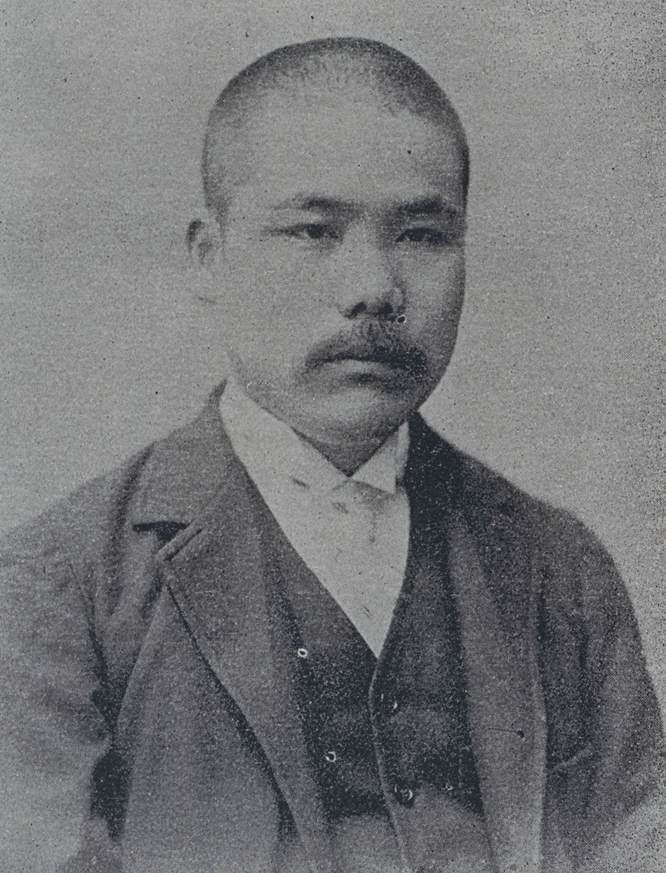
Ueda Kazutoshi
Why is the "po" of "okorippoi" a "po"? The researcher who argued the ha-row was once P also spoke of "kokugo" as a task of the state. Reading Kokugo no tame (1897) and Kokugo no tame, Part 2 (1903).
Reading Ueda Kazutoshi — The Man Who Built the Frame of "Kokugo" and Argued the Ha-Row Was Once P
Why is the "po" of "okorippoi" a "po"? From this small fact, Ueda Kazutoshi (1867–1937) argued that the ha-row of Japanese was once P. The same man put the very idea of "kokugo" (the national language) before the public, tied to the state. Reading Kokugo no tame (1897) and Kokugo no tame, Part 2 (1903).
Why Is the "Po" of "Okorippoi" a "Po"? — Evidence That the Ha-Row Was Once P
Add "hoi" to "okori" and you get "okorippoi" — not "hoi" but "poi." The same happens in "shimeppoi" and "Satsumappō." Ueda Kazutoshi saw in this small habit a trace of the ha-row sound of more than a thousand years ago.
How Does the Small "Tsu" of "Motte" and "Itte" Come About? — The Mechanism of Sokuon
"Mochite" becomes "motte," "ikite" becomes "itte." The middle sound vanishes and a small "tsu" is born. Ueda Kazutoshi called this "sokuon" and showed how the sound disappears by rewriting the words in roman letters.
How Is a Standard Language Made? — The Idea of "Originally One Dialect"
A standard language is not an ideal speech that someone invented. Drawing on Germany and England, Ueda Kazutoshi explained that a standard language too was once some dialect, and that it has been polished and kept up by human hands. Reading "Hyōjungo ni tsukite."
Close Reading — "B = (?) = P" — Working Backward From Voiced Sounds to a Vanished Voiceless One
Is the voiceless sound matching the voiced "ba" "ha" or "pa"? From the relations of ta and da, ka and ga, Ueda Kazutoshi solves this question. He then piles on evidence from how Sanskrit sounds were transcribed and from Japanese words inside Ainu. Reading the course of the reasoning in "P-on-kō" in the original.
Close Reading — "The Language Common to a Nation" — What Did "Kokugo to Kokka to" Say?
Keep the unity of language, and of race, as a task of the state. So wrote Ueda Kazutoshi at the head of Kokugo no tame (1897). The same text also holds the core of his view of language: "language is the embodiment of spirit." Without praise or condemnation, we check in the original what was said at the time.
Legacy and Verdict — The Sound Inference Survived; the Claim About "Kokugo" Was Questioned Again
Ueda Kazutoshi's inference that the ha-row was once P became the skeleton of the accepted view. His account of gemination is still used. But the claim in "Kokugo to kokka to" — keep the unity of language and of race — was greatly questioned again in later ages. Grading the two works separately.