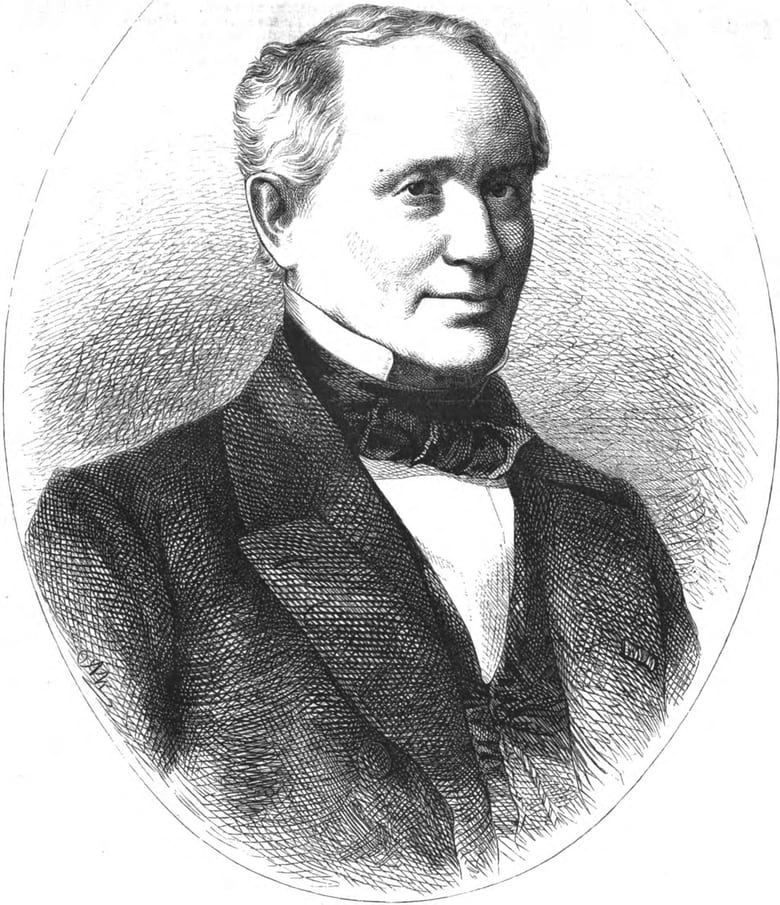
Franz Bopp
Where Rask and Grimm trained their sights on consonant correspondences, Bopp compared verb conjugation and noun declension down to the last detail, across eight languages. Reading Comparative Grammar (Vergleichende Grammatik) — from the idea that language is an organism, through the theory that grammatical endings are fossilized pronouns, to an unexpected connection to Grimm.
Reading Franz Bopp's Comparative Grammar (1833/1856) — the Man Who Extended the "New Continent" of Sanskrit to the Whole of Grammar
Where Rask and Grimm trained their sights on consonant correspondences, Bopp compared verb conjugation and noun declension down to the last detail, across eight languages. Reading the work of a lifetime.
Grammar Isn't a Fossil — It's a Living Thing. Bopp's Idea, Simply
Bopp compared language, as an object of study, to "an organism." This wasn't a poetic flourish. The idea of a healthy body versus a worn-down one underpins his comparative method itself.
Where Did the "I" in "I Give" Go? Bopp's Discovery, Simply
In Sanskrit, "I give" takes just one word: dadāmi. Where did "I" go? Bopp tracked down the answer — the verb ending itself used to be the word for "I."
"We Leave the Mystery of Roots Untouched" — Reading Bopp's 1833 Preface Closely
Why does the root I mean "go" and not "stand"? Bopp deliberately refuses to answer. How far to extend an explanation, and where to stop — reading the line the 1833 preface draws.
From -mi to -m — Following an Ending's Wear, in the Original
The ending meaning "I give" actually comes in two forms — a heavy -mi and a light -m. Bopp explains even this difference as the age gap within a single living organism called language. Reading the technical argument on page 633.
"Grimm's Masterly Grammar Was Not Yet Known to Me" — What Bopp Left Behind, and the Danger in a Metaphor
A near-miss Bopp recorded himself, in a footnote, about Grimm. The metaphor "language is an organism" pushed comparative linguistics forward significantly — and, in the next generation's hands, grew in a far more dangerous direction too.
Verdict — How Bopp's Comparative Grammar Looks Two Centuries Later
The discovery that a grammatical ending is a fossilized pronoun still sits at the center of linguistics today, under the name "grammaticalization." But the metaphor "language is an organism" was pushed too far by the next generation. Grading the richness of the method separately from the danger in the metaphor.