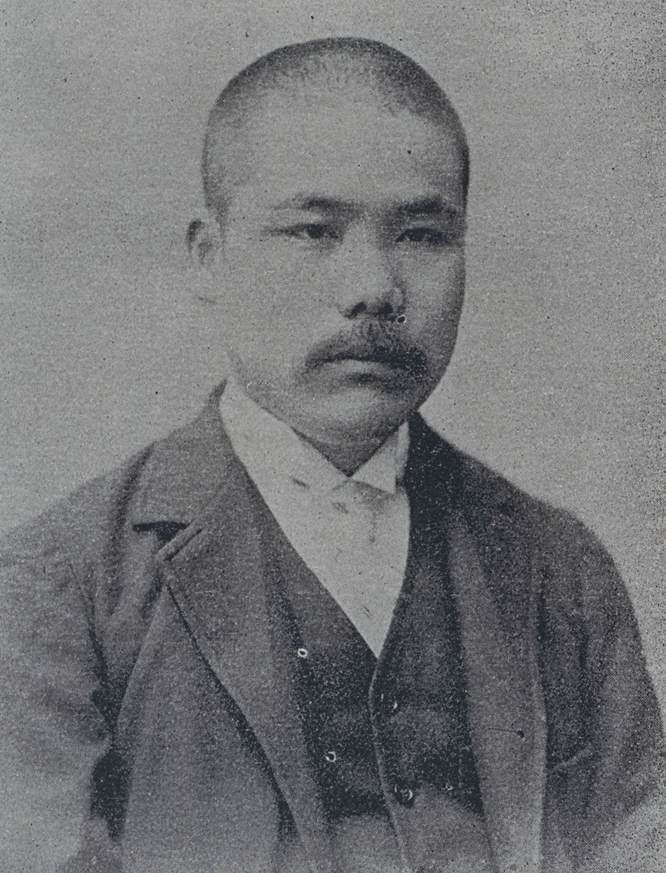
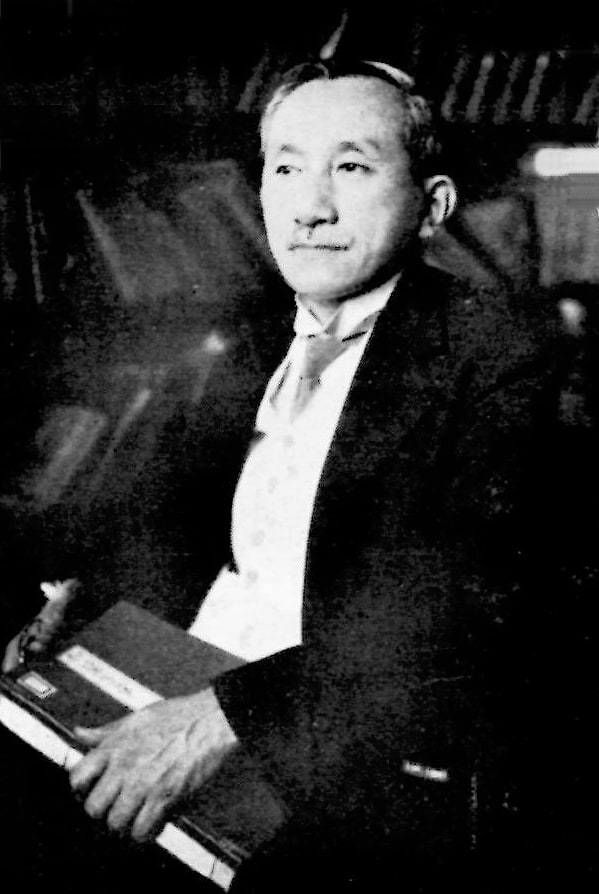
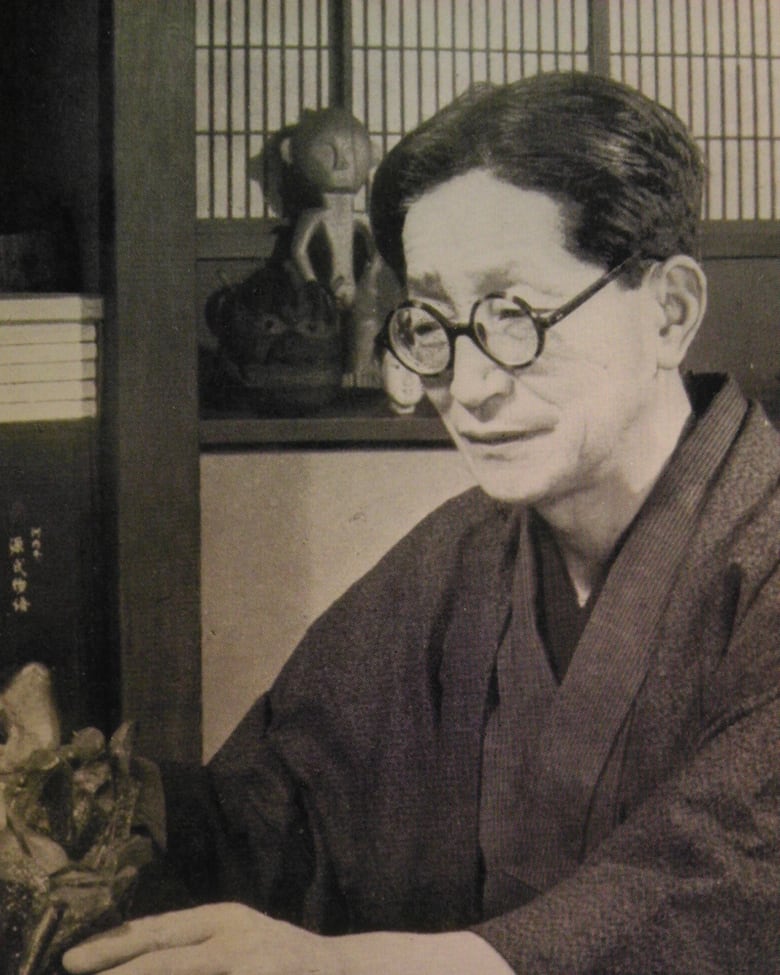
199 Close Reading — "Korean as a Dialect of Our Empire" — What Kanazawa Shōzaburō Wrote in the Year of Annexation 1910, the year Japan annexed Korea. Kanazawa Shōzaburō included in Kokugo no kenkyū a piece titled "Chōsen ni okeru kokugo mondai." While urging caution against those hurrying to spread Japanese, it places Korean as "a dialect of the empire." Without praise or condemnation, we check in the original what was written at the time.
2026.09.20 198 Close Reading — "Weep, Smell, Speak, Hear" — Old Words for Eye, Nose, Mouth, and Ear Left in Verbs Japanese has the words "me," "hana," "kuchi," and "mimi." Even so, Kanazawa Shōzaburō thought their old forms survived in Korean, and in Japanese remained inside the verbs "naku," "kagu," "iu," and "kiku." Reading the course of the "Jimoku-bikō" argument in the original.
2026.09.20 197 Where Did the Names East, West, South, and North Come From? — The Sun, the Wind, and the Movement of Peoples The theory that the "shi" of "higashi" (east) and "nishi" (west) is the old word for wind. South and north from the movement of the sun. And in Indo-European languages, east is "front" and south is "right." Kanazawa Shōzaburō sorted the origins of direction names by three clues.
2026.09.20 196 Is the "Na" of "Namida" an Old Word for the Eye? — Its Link With "Naku" "Namida" (tear) has long been said to be a contraction of "naki mizu-dari" (weeping, water dripping). Setting it beside the Korean word joining "eye" and "water," Kanazawa Shōzaburō thought that "na" may be an old word for "eye." "Naku" (to weep), too, is said to have grown from that "na."
2026.09.20 195 From "Kumo" to "Kumoru," From "Te" to "Toru" — Names of Things, Names of Actions Add "-ru" to "kumo" (cloud) and you get "kumoru" (to cloud over). Because it's done with the "te" (hand), it's "toru" (to take). Japanese has abundant ways of making names of actions from names of things, and names of things from names of actions. The examples Kanazawa Shōzaburō gives at the opening of "Jimoku-bikō."
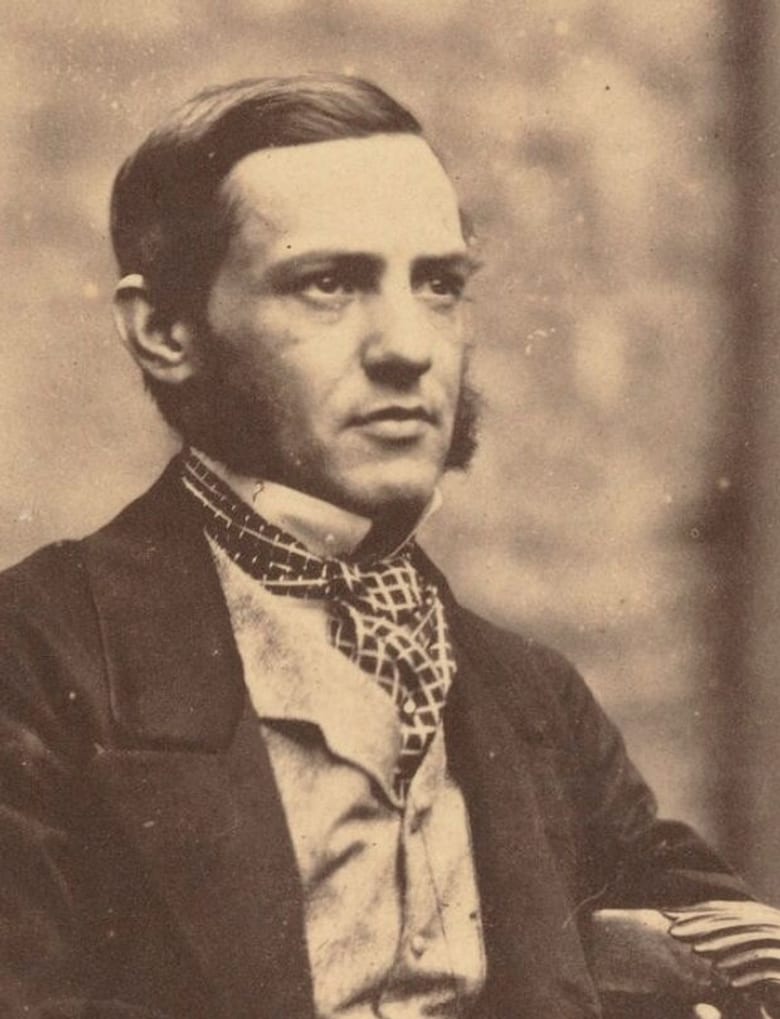
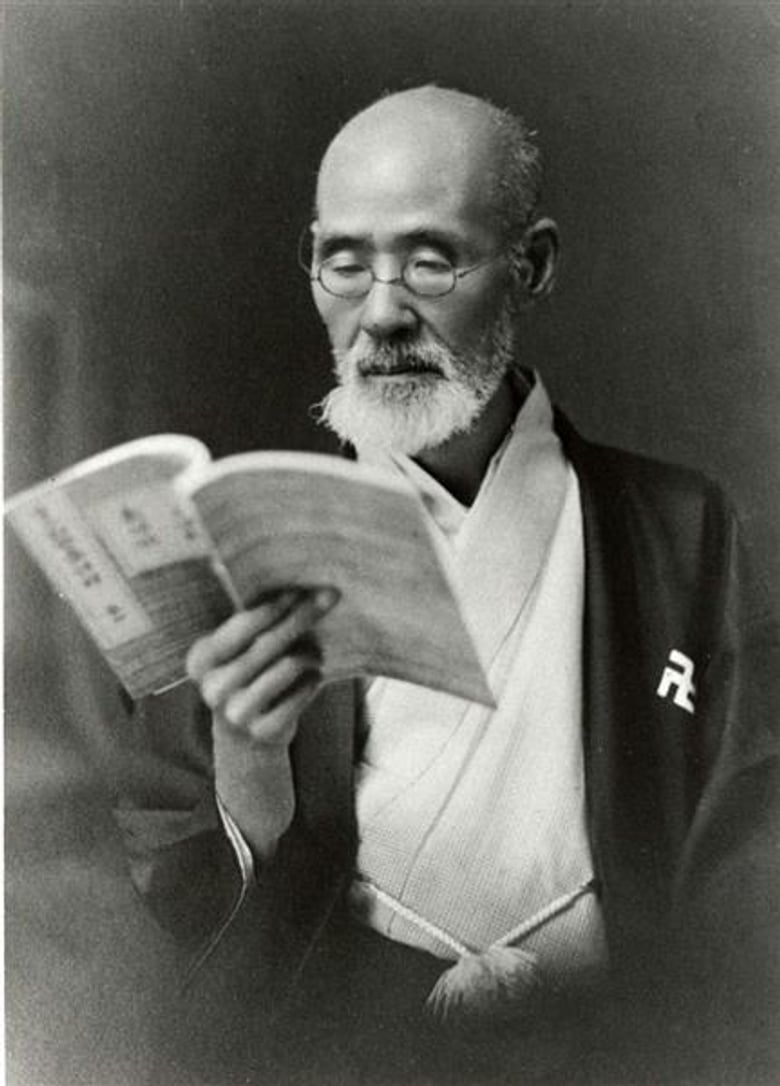
2026.09.20 194 Reading Kanazawa Shōzaburō — The Man Who Sought Old Japanese in Ear, Eye, Nose, and Mouth, and Argued for a Japanese–Korean Link "Tachi" (sword) from "tatsu" (to cut), "kumoru" (to cloud over) from "kumo" (cloud). Is the "na" of "namida" (tear) an old word for "eye"? Where did the names of east, west, south, and north come from? Kanazawa Shōzaburō (1872–1967) explored how familiar words were made by setting them beside Korean, Sanskrit, and Ainu. He was also a man who placed that comparison inside a political age. Reading Kokugo no kenkyū (1910).
2026.09.20 193 Legacy and Verdict — The Sound Inference Survived; the Claim About "Kokugo" Was Questioned Again Ueda Kazutoshi's inference that the ha-row was once P became the skeleton of the accepted view. His account of gemination is still used. But the claim in "Kokugo to kokka to" — keep the unity of language and of race — was greatly questioned again in later ages. Grading the two works separately.
2026.09.20  Read the essay